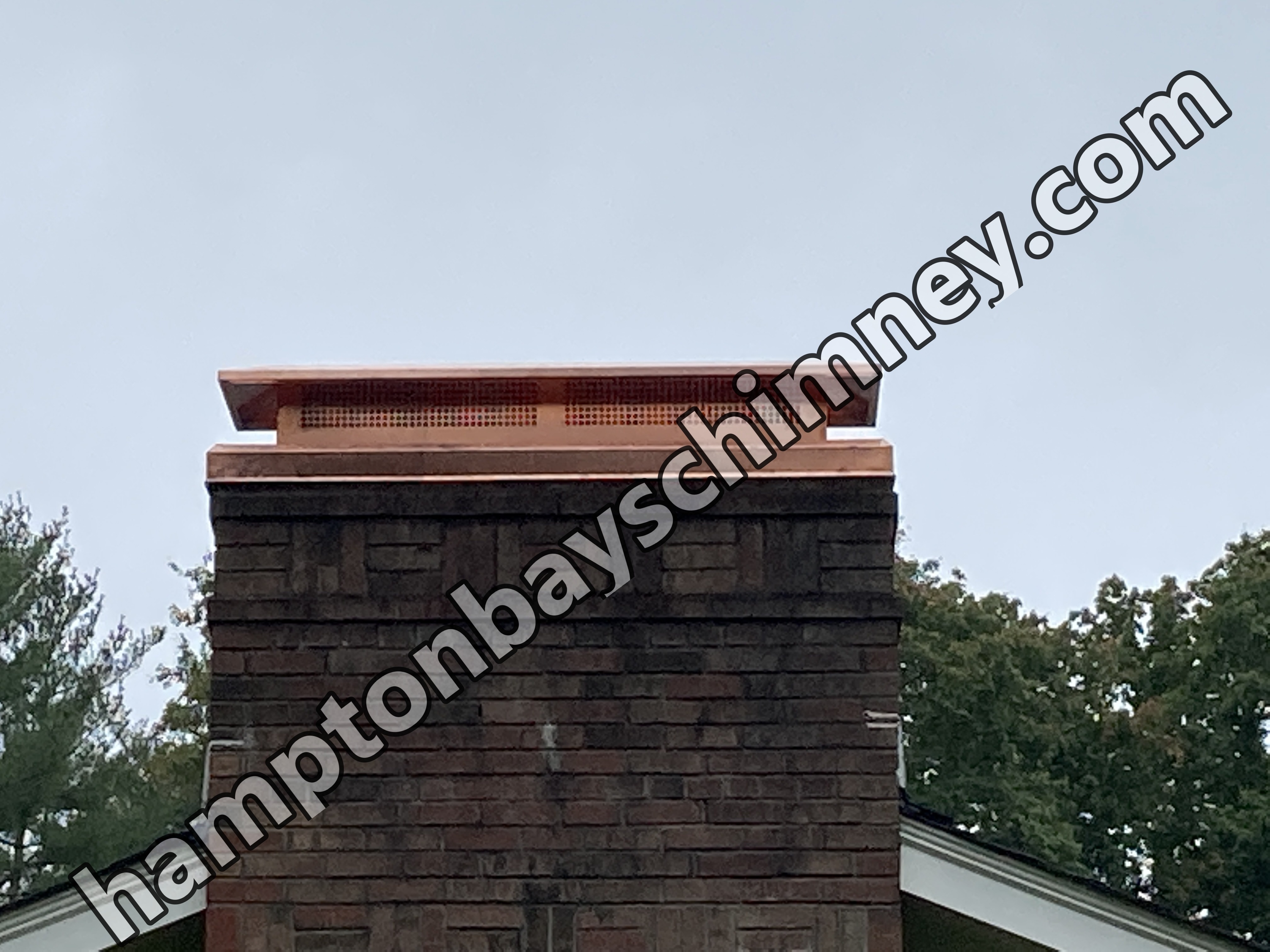
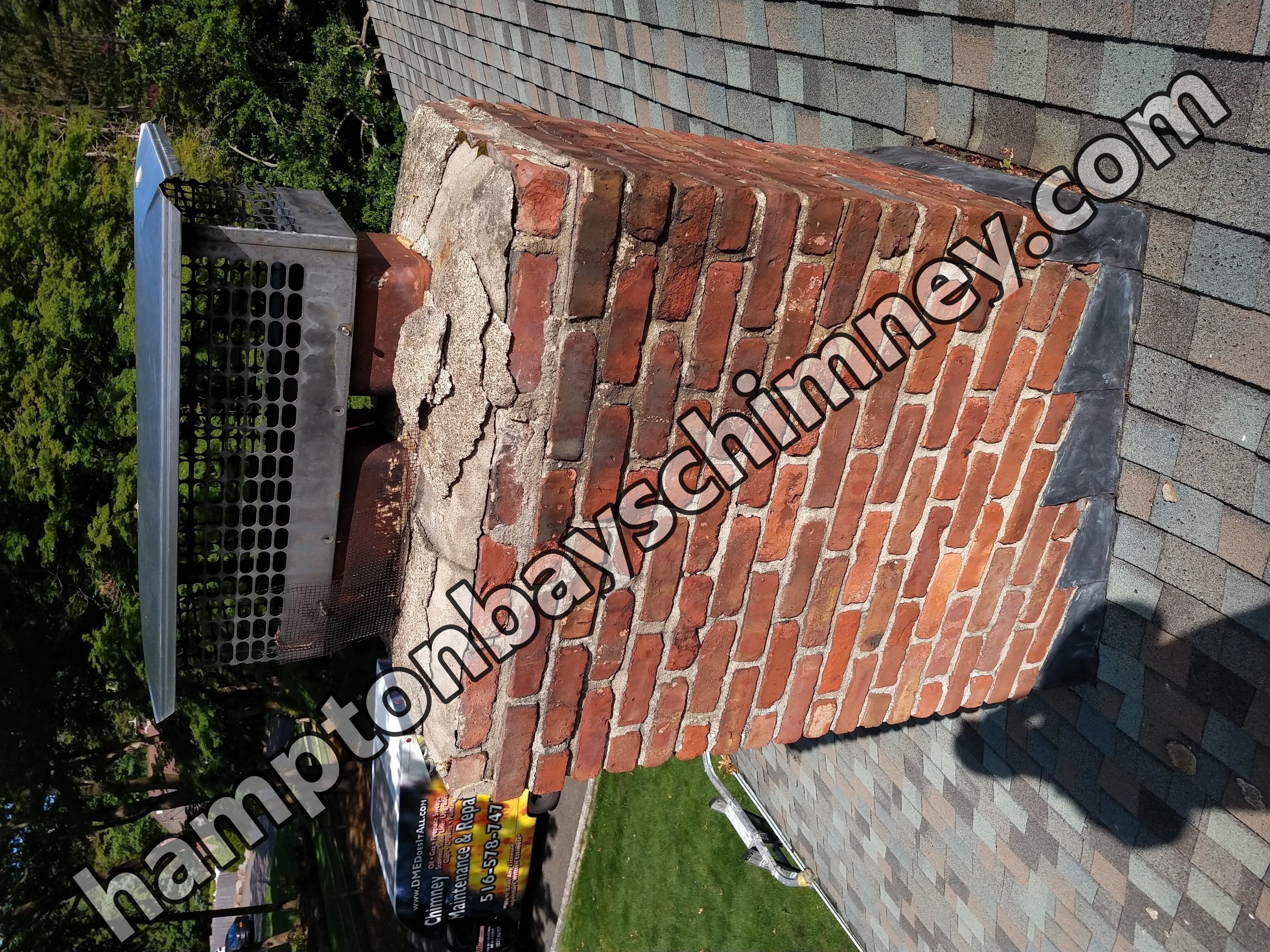
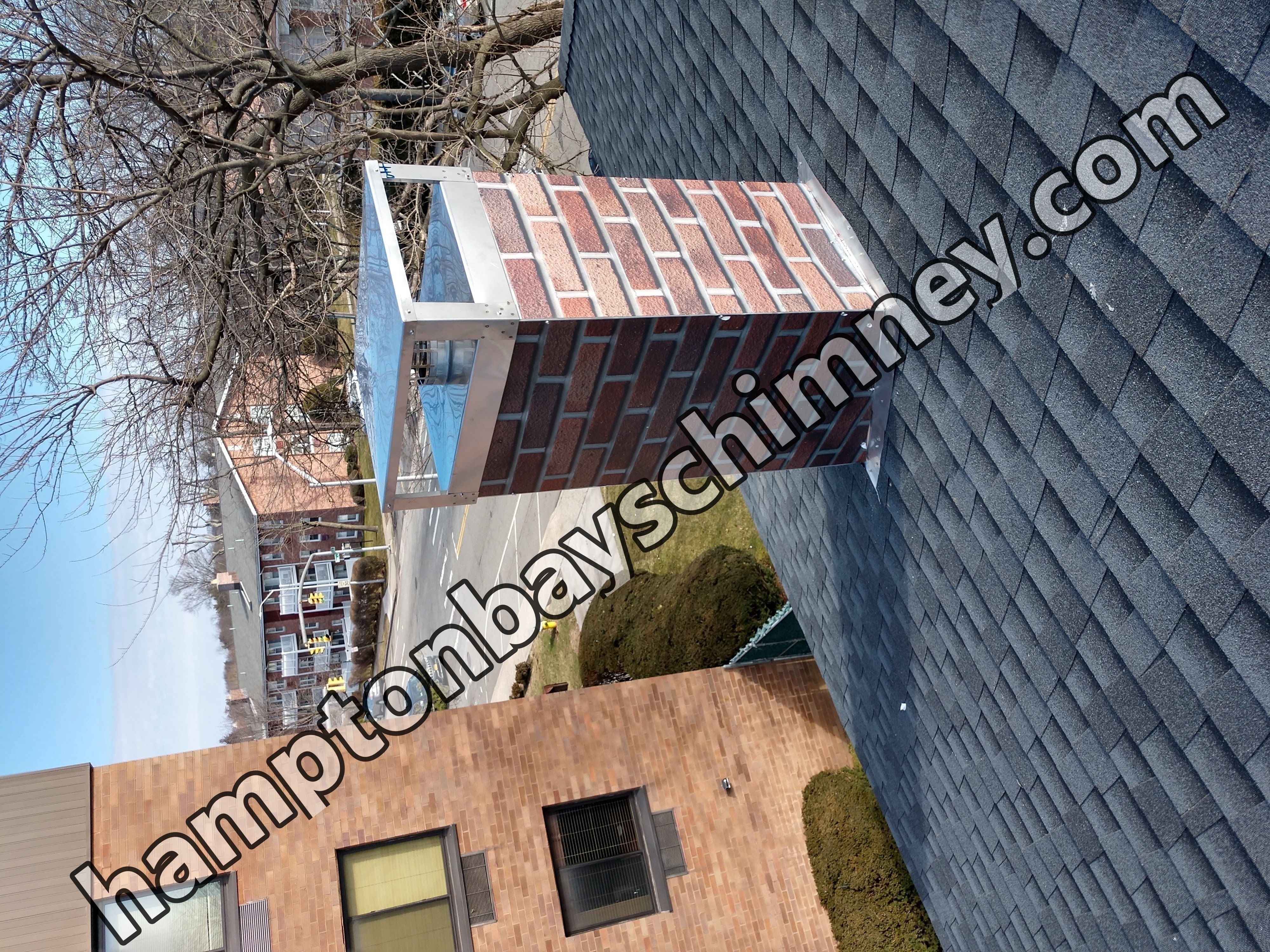
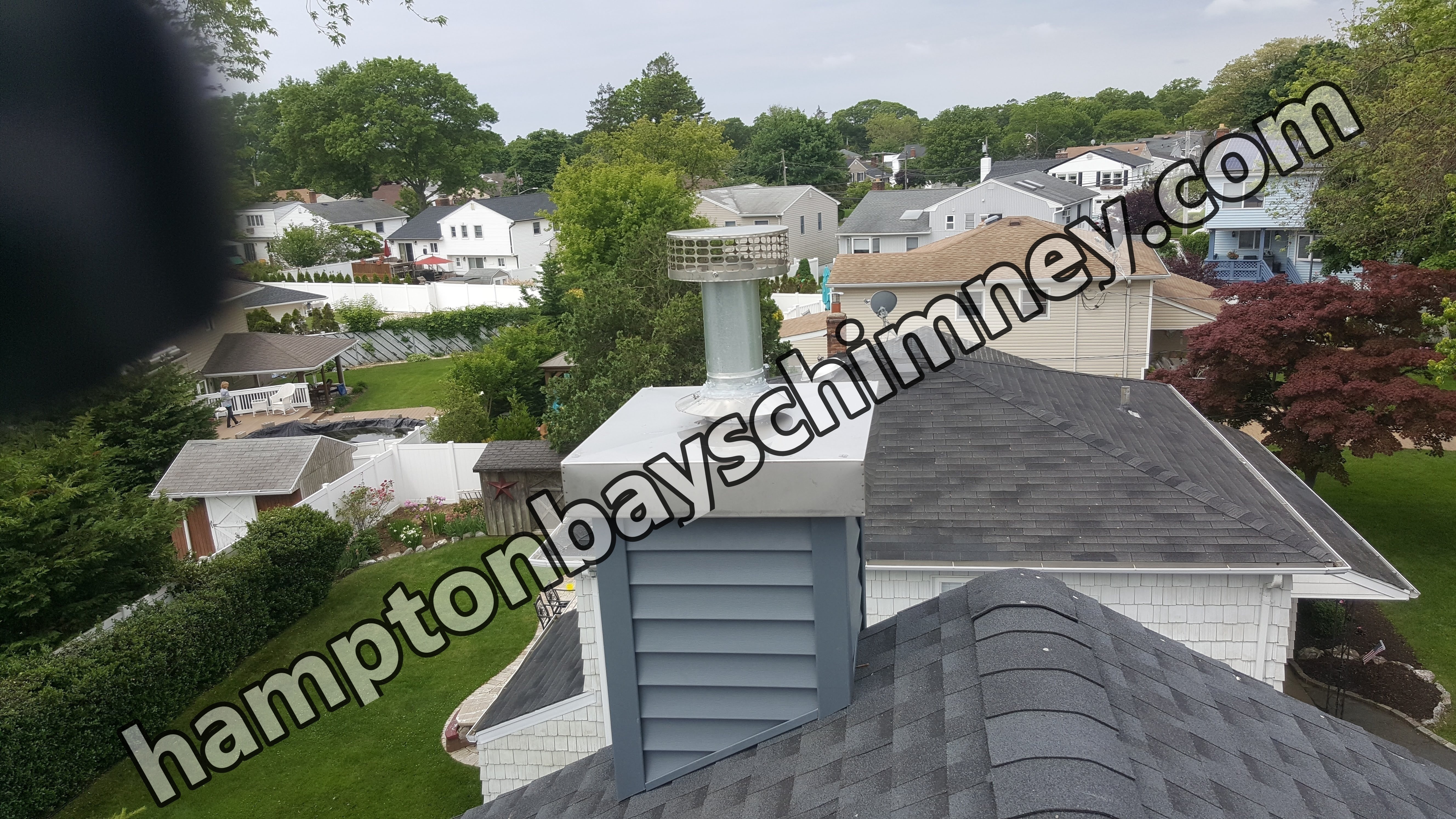
Your chimney crown is working harder than you might realize, especially in Hampton Bays, where the combination of Atlantic proximity, seasonal nor'easters, and the region's older housing stock creates particularly demanding conditions. The crown sits at the very top of your chimney stack, and it's designed to do one thing exceptionally well: shed water away from the masonry and flue system below. Think of it as an umbrella for your entire chimney. When it's intact and properly sloped, rainwater and snowmelt run off the edges and away from your home. But when cracks develop—and they inevitably do—water begins pooling in those fissures, working its way down through mortar joints, saturating the chimney walls, and eventually finding its way into the interior structure of your home.
For residents of Hampton Bays living in homes built in the 1970s, 1980s, and 1990s, chimney crown failure isn't a question of if but when. Freeze-thaw cycles and wind-driven rain accelerate deterioration of concrete and mortar crowns. We've been servicing chimneys throughout Hampton Bays and Suffolk County, NY since 2001, and we can tell you: addressing a cracked or failing crown before the winter season and rainy months arrive prevents water from entering the chimney and causing damage to the flue, damper, and interior masonry.
The typical chimney crown in Hampton Bays homes is constructed from either concrete or mortar and lime, with concrete being more prevalent in newer construction. Both materials are subject to the same fundamental problem: they're porous and they expand and contract with temperature changes. This stress cycle happens constantly through freeze-thaw cycles and seasonal shifts. A crown that was perfectly adequate when installed can begin showing hairline cracks within ten to fifteen years, and those cracks only widen as temperature swings continue. Hampton Bays homeowners often don't notice the problem until they see staining on interior ceilings, a damp smell in the fireplace, or actual water dripping during heavy rain. By that point, water has already penetrated deeper into the system.
We've seen situations where a small crown crack that could have been addressed for a fraction of the cost was ignored for one or two winters, resulting in water damage to the chimney chase, deterioration of the flashing, and even structural concerns with the masonry itself. The first line of defense is always the crown. When it fails, everything downstream suffers. Homeowners in Hampton Bays who've procrastinated on crown repair often end up dealing with mold growth, damaged insulation around the chimney, and costly interior repairs that could have been completely avoided.
What makes a chimney crown vulnerable to failure goes beyond simple age. In Hampton Bays, where homes sit closer to the water than in many other parts of Suffolk County, NY, salt-laden air accelerates concrete deterioration. Chloride from ocean spray and bay water doesn't just affect roof shingles and metal fixtures—it works into microscopic cracks in concrete and mortar, drawing moisture deeper into the material and triggering expansive forces that widen existing damage. Many Hampton Bays homes were built with crowns that were inadequately sloped or insufficiently overhanging the chimney walls. When the original builder cut corners on the crown construction, or when settling and movement in the masonry has thrown the slope off over the years, water pools instead of running off.
We frequently encounter crowns in Hampton Bays that lack proper overhang, leaving the exterior chimney walls exposed to direct rain impact. This is especially problematic in the months leading up to winter, when precipitation increases and the ground becomes saturated. Freeze-thaw damage then accelerates the deterioration cycle. A properly functioning crown needs to extend at least one to two inches beyond the chimney face and slope outward at a minimum angle of forty-five degrees. When these basic principles are violated—either through poor original installation or accumulated damage over decades, the door opens for water entry. This is why we see so many problems in Hampton Bays homes that are forty or fifty years old: many were simply built with inadequate crown design by today's standards.
The consequences of ignoring crown damage become apparent during the seasonal shifts that Hampton Bays experiences. As we move into autumn and winter, the increase in precipitation combined with lower temperatures creates ideal conditions for water infiltration and freeze-thaw damage. Homes in Hampton Bays that rely on oil heating systems—which is typical across the region—often have chimneys that operate seasonally or intermittently, meaning the interior of the chimney spends extended periods damp and cold. Water that enters through a cracked crown has nowhere to escape and no heat to dry it out, allowing it to sit in the masonry and mortar joints for weeks. When temperatures drop below freezing, that moisture expands, widening cracks and accelerating deterioration. The damage compounds year after year.
Hampton Bays homeowners who've waited until December to address crown problems often find that winter weather makes repairs impossible or dangerous, leaving them vulnerable throughout the coldest months. Beyond the immediate heating season, a failing crown creates year-round problems. Spring and summer rains in Hampton Bays continue the water infiltration cycle, and the combination of heat and moisture creates the perfect environment for mold and mildew growth inside the chimney structure. We've inspected homes in Hampton Bays where crown failure led to extensive mold colonies that required professional remediation far exceeding the cost of the original repair. The financial and health consequences of delaying crown repair make the case for action before seasonal weather arrives incredibly clear.
At DME Maintenance, we approach crown repair with the understanding that every situation is unique. Some crowns can be patched and sealed if the damage is superficial and localized, while others require complete removal and rebuilding. We evaluate each crown in Hampton Bays homes individually, looking at the extent and pattern of cracking, the current overhang and slope, the condition of the surrounding masonry, and the overall structural integrity of the crown. A crown with minor surface cracks and good slope might benefit from a quality sealant application that will extend its life several more years. A crown with multiple deep cracks, inadequate overhang, or previous failed repair attempts typically needs full rebuilding.
When we rebuild, we're not just replacing what was there—we're implementing proper design principles that address the specific challenges facing Hampton Bays homes. This means ensuring adequate overhang to protect the chimney walls, establishing proper slope for water runoff, using appropriate materials for the coastal environment, and integrating the crown properly with any metal chase covers or flashing components. The difference between a temporary patch and a proper restoration becomes obvious within one to two years. Homeowners in Hampton Bays who've worked with us on crown repair often tell us they wish they'd addressed it sooner, particularly those who'd previously attempted DIY sealing or hired less experienced contractors. The crown is too critical to treat casually.
Douglas covers all of Hampton Bays and knows the neighborhood streets well. Long Island homes in Hampton Bays vary considerably — from Cape Cods and split-levels built in the 1950s to more recent construction — and Douglas is experienced with every chimney configuration found in the area.
Hampton Bays residents dealing with any visible signs of crown damage—hairline cracks, spalling concrete, separated mortar, white staining, or interior water marks during rain—should not wait for the rainy season to arrive. Weather conditions in Hampton Bays become increasingly harsh as we move toward winter, and a crown problem that exists in October will be significantly worse by February. Freeze-thaw cycles and wind-driven rain are constant factors in Hampton Bays. Your chimney crown is your first and most important defense against water entry, and when it's failing, every other chimney component is at risk. If you're a Hampton Bays homeowner who's noticed any signs of crown deterioration, don't let another seasonal cycle pass.
Contact DME Maintenance at 631-316-0622 to schedule a professional evaluation. We've been protecting homes throughout Suffolk County, NY since 2001, and we know exactly what Hampton Bays chimneys face. Let us restore your crown before the heavy rains and winter cold arrive, it's an investment for years to come.