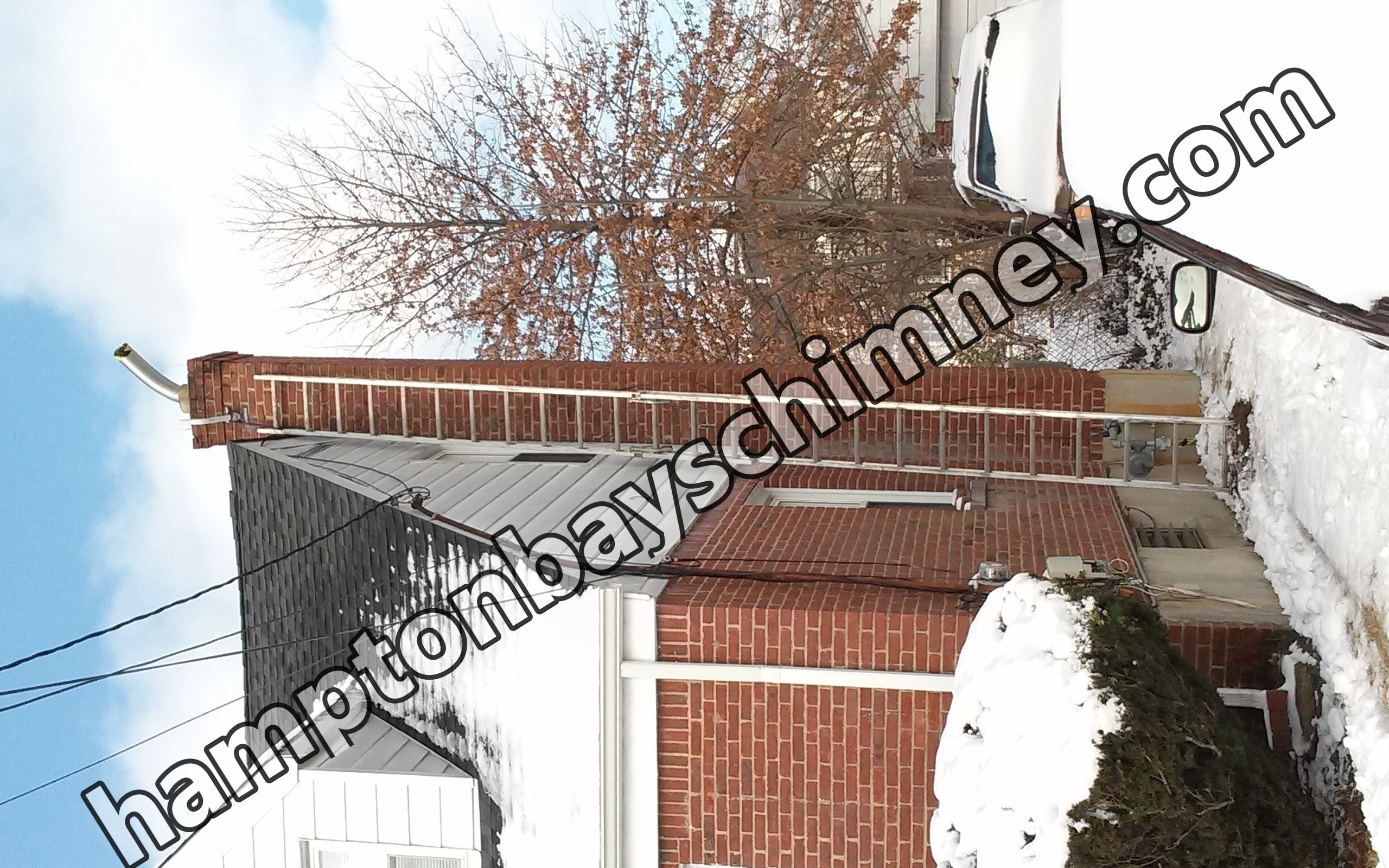
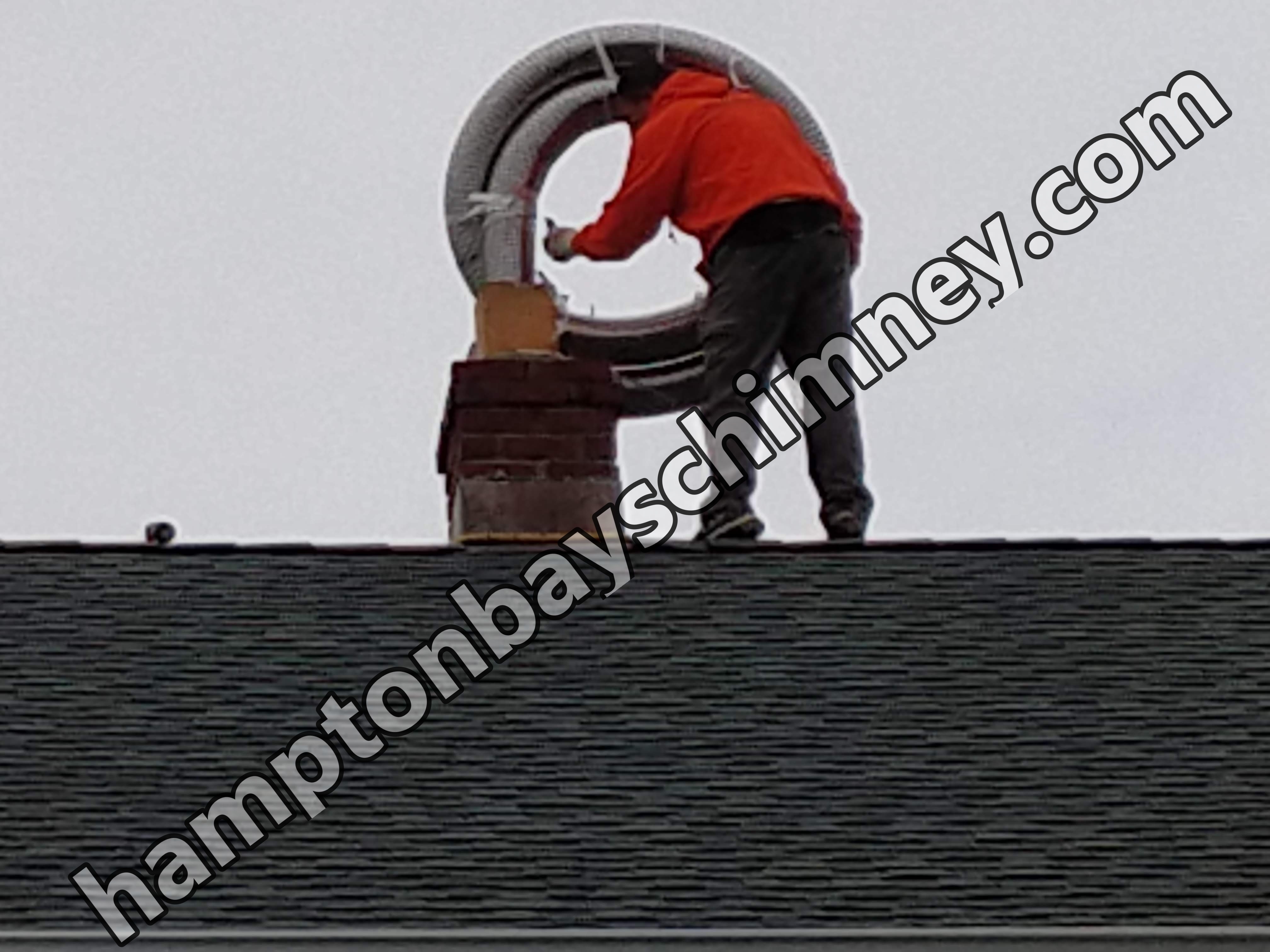
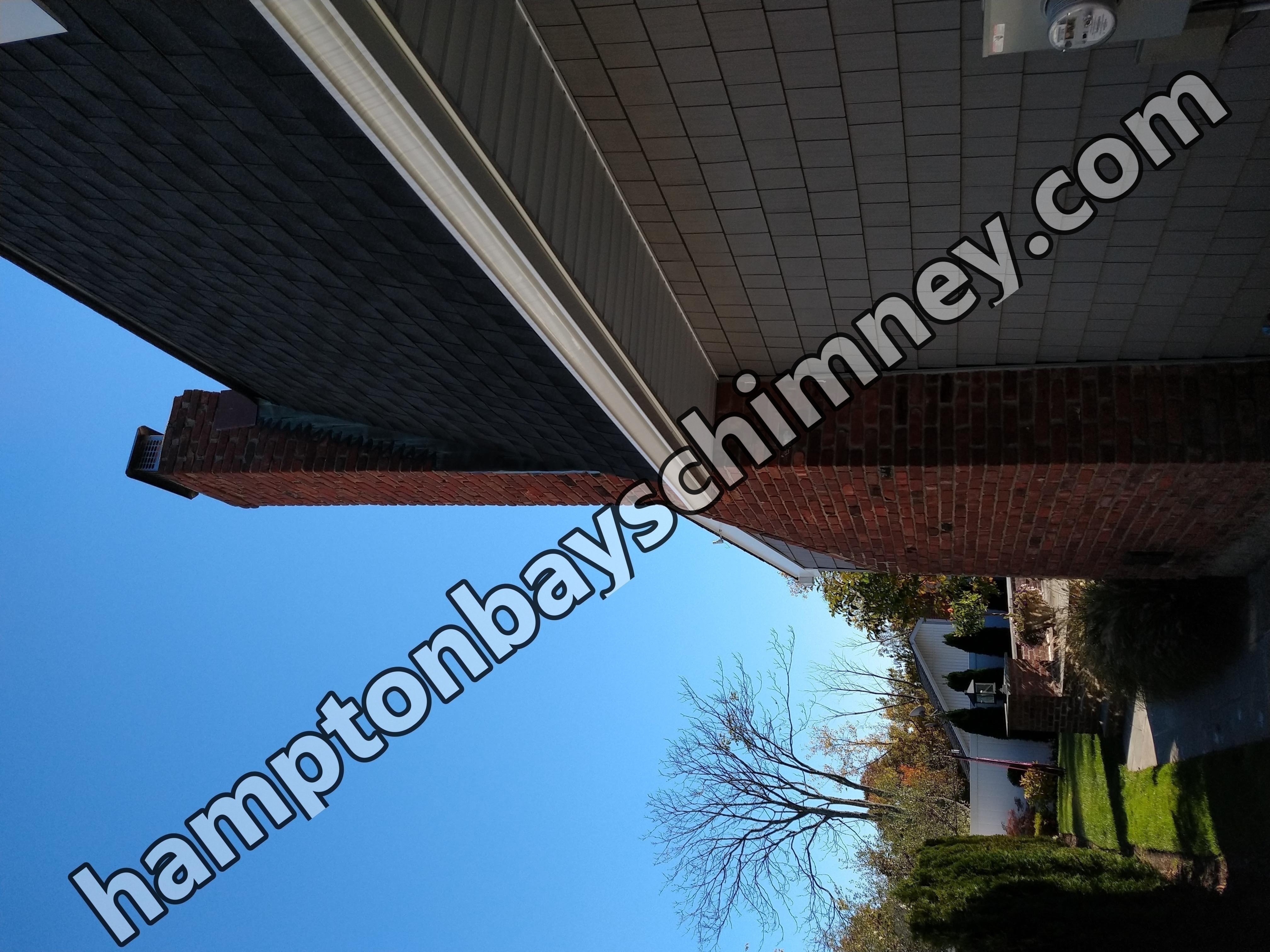

Stainless steel chimney liners have become important infrastructure for homeowners across Hampton Bays and throughout Suffolk County, NY, particularly as fall approaches and heating season looms ahead. If you own a home in Hampton Bays—especially one of the older colonial or cape-style residences that characterize much of Hampton Bays' residential environment—understanding the critical role a quality liner plays in your heating system should be a priority before temperatures drop. DME Maintenance has been serving Hampton Bays residents since 2001, and in that time, we've installed hundreds of stainless steel liners in homes ranging from vintage properties built in the 1950s to more recently constructed residences throughout the greater Suffolk County, NY area.
What we've learned from two decades of experience is that a deteriorated or undersized chimney flue isn't just an efficiency problem, it's a safety vulnerability that compounds each winter your home goes without proper protection. The weather here in Hampton Bays, with its moisture and temperature swings, accelerates the decay of older masonry chimneys and unlined flues. Freeze-thaw cycles work relentlessly on unprotected masonry, breaking down mortar and opening cracks. A stainless steel liner acts as a protective barrier, extending the functional life of your entire chimney system while simultaneously improving the performance of whatever heating appliance sits at the base of that flue.
The efficiency gains that Hampton Bays homeowners experience after installing a stainless steel liner often surprise them, especially those who have recently made the switch from oil heat to natural gas or propane. If you're among the many Hampton Bays residents who've converted from an old oil heating system to cleaner-burning gas, your original masonry chimney was sized and built for that oil burner's specific flue gas composition and temperature profile. Gas appliances operate differently—they produce cooler exhaust gases and require different draft characteristics. When you install a properly sized stainless steel liner, you're basically creating a new, optimized flue pathway inside your existing masonry chimney. This means better draft, more complete combustion in your furnace or boiler, and less wasted heat escaping up the chimney during the winter months.
Homeowners in Hampton Bays who've completed this upgrade consistently report feeling warmer while using less fuel, and their utility bills reflect genuine savings—not marginal improvements, but meaningful reductions that accumulate year after year. The liner also prevents the cooler gases from contacting the interior masonry walls, which eliminates the condensation that causes deterioration and extends the life of your chimney structure significantly. For older homes in Hampton Bays built before modern HVAC standards were established, this upgrade transforms heating efficiency from mediocre to genuinely competitive with newer construction.
Safety represents the foundation of why DME Maintenance prioritizes stainless steel liner installation as fall approaches in Hampton Bays. An unlined or deteriorated chimney flue creates multiple hazardous scenarios that many Hampton Bays homeowners don't fully appreciate until problems develop. Cracks in masonry allow combustion byproducts—including carbon monoxide—to seep into wall cavities and living spaces rather than venting safely outside. Gaps between masonry and flue create fire hazards where creosote buildup or stray sparks can ignite framing materials within your walls. For residents of Hampton Bays who live near the water, where homes are often built in closer proximity to neighbors, an uncontrolled chimney fire becomes a neighborhood risk, not just a personal risk.
A stainless steel liner completely eliminates these scenarios by creating a continuous, impermeable pathway from your appliance to the roof. The material itself, high-grade stainless steel like the hamptonbayschimney.com systems we install, resists corrosion from acidic flue gases, doesn't deteriorate from moisture exposure, and maintains structural integrity for decades. Hampton Bays experiences significant moisture loading during fall and winter months, with fog rolling in from the bay and Atlantic, and that environmental factor makes a sealed stainless liner important for homeowners serious about long-term safety.
We recommend that families in Hampton Bays make this upgrade a required part of their fall heating preparation, particularly if they've noticed any signs of chimney deterioration, unusual odors around the hearth, or if they've owned their home without knowing when the chimney was last professionally evaluated.
The population of Hampton Bays includes a significant percentage of homeowners living in properties constructed before 1980, when chimney construction standards were considerably less stringent than today's requirements. Homes in Hampton Bays built in the 1950s, 1960s, and 1970s frequently contain chimneys that are either partially lined with clay tiles that have begun failing, completely unlined, or lined with materials that weren't designed for modern heating appliance performance. When you're living in these older, characterful Hampton Bays properties—and there are many beautiful examples throughout Hampton Bays and nearby communities like Water Mill and East Quogue—you're often dealing with heating infrastructure that's simply worn out. The masonry itself may be sound, the chimney structurally intact, but the internal flue has degraded beyond reliable function.
A stainless steel liner installation allows you to preserve the original chimney structure while completely modernizing its functionality. This approach resonates strongly with Hampton Bays residents who value the architectural character of their older homes but recognize that selective modernization of mechanical systems is necessary for safe, efficient living. The liner basically gives your vintage Hampton Bays home a new internal flue system without requiring exterior reconstruction, roof work, or significant disruption to your home's appearance. For those who've converted from oil heat to gas, a conversion that's increasingly common in Suffolk County, NY, the existing chimney is particularly susceptible to problems because the flue dimensions and specifications may not align with your new appliance. Installing a correctly sized stainless steel liner resolves this mismatch immediately and permanently.
Oil-to-gas conversions represent one of the most common scenarios we encounter when working with Hampton Bays homeowners, and they create a unique opportunity to address chimney performance at the exact moment when intervention makes the most sense. Many residents of Hampton Bays upgraded their heating systems within the past five to ten years, transitioning from #2 fuel oil to natural gas for environmental, economic, and reliability reasons. That conversion project often includes new boiler or furnace installation, but it frequently overlooks the critical step of ensuring the chimney flue matches the new appliance's requirements. A stainless steel liner installation should be part of—or immediately follow—that conversion project.
When we work with Hampton Bays homeowners who've already made the switch, we find that a properly sized and installed liner can improve the performance of their new gas appliance by 10-15%, which means less wasted heat over multiple winters. The fall season is precisely the right time for this evaluation and upgrade. As heating season approaches and you're preparing to rely on your furnace or boiler for the next six months, making sure that system can exhaust safely and efficiently through an optimized flue pathway keeps your home functioning as intended. Residents of Hampton Bays who've invested in converting from oil heat benefit from the efficiency gains and reliable performance that a quality stainless steel liner provides.
The material's resistance to the acidic condensation that develops when gas burns in an oversized or improperly configured flue prevents the deterioration that would otherwise compromise your new heating system's longevity.
Douglas covers all of Hampton Bays and knows the neighborhood streets well. Long Island homes in Hampton Bays vary considerably — from Cape Cods and split-levels built in the 1950s to more recent construction — and Douglas is experienced with every chimney configuration found in the area.
As November arrives and Suffolk County, NY weather patterns transition into the heating season, the window for scheduling preventive chimney work closes rapidly. Hampton Bays homeowners who call in October or early November benefit from more flexible scheduling, quicker installation, and the security of knowing their chimney system is optimized before they depend on it daily for six months. Waiting until December or January—when temperatures are already dropping and heating demands are constant—means you're operating on borrowed time if your flue isn't performing optimally. DME Maintenance brings over 2001 years of local experience to every stainless steel liner installation in Hampton Bays and throughout Suffolk County, NY. We understand the specific challenges that aging housing stock and freeze-thaw cycles present to chimneys in this area.
We've worked on properties from Shinnecock Hills to Mecox Bay, and we know what performs reliably in this environment. When you're ready to stop worrying about whether your chimney is safe, whether your heating system is operating efficiently, or whether that offshore wind is forcing cold air down your flue, call at 631-316-0622. A stainless steel liner installation transforms your heating season from a season of uncertainty into a season of confident, efficient, safe operation. Call DME Maintenance today to schedule your fall chimney evaluation and join the hundreds of satisfied Hampton Bays homeowners who've already made this essential upgrade.